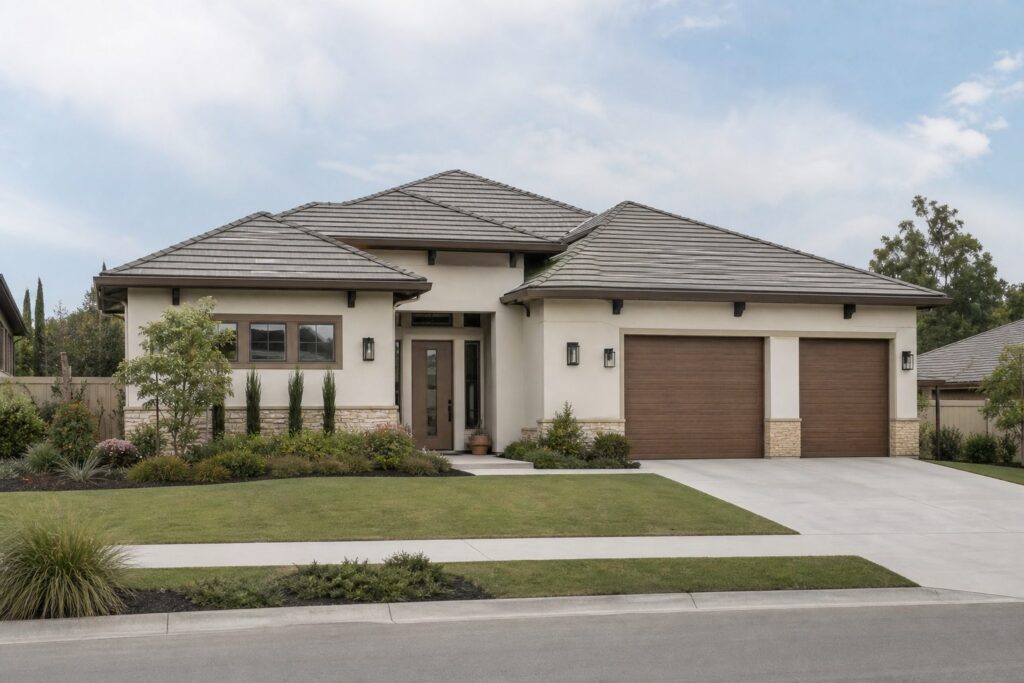
Roof Inspections in Brandon, FL
Roof inspections provide a clear view of your roof’s condition and possible issues. ABC Roofing offers thorough inspections in Brandon, FL to help you understand what your roof needs.
A roof inspection checks all major components for damage or wear and points out potential problems before they worsen. Knowing the roof’s state can guide your decisions about repair or replacement.
What a Roof Check Includes
A roof inspection involves a close examination of roofing materials such as shingles, metal, or tiles to spot damage or early wear. This includes looking for cracks, loose or missing pieces, and any signs of moisture intrusion. Inspectors also check underlayment, flashing, gutters, and vents for proper condition and attachment. The process usually includes walking the roof surface, examining hard-to-see areas, and noting weak spots or potential leak risks. Unlike repairs that fix specific problems, an inspection provides a full assessment without altering the roof. The goal is to give homeowners a clear picture of current roof health and what maintenance or action might be needed soon.
Factors Affecting Inspection Costs
The total for a roof inspection depends mainly on roof size, height, and complexity. Larger or steeper roofs require more time and care, which can increase costs. The roofing material also affects the effort needed to inspect properly, with metal or tile roofs sometimes needing closer checks than standard shingles. Roof condition plays a role, too, damage or accumulated debris may lengthen the inspection. Travel distance and additional services, like detailed reports or photo documentation, can also influence charges. Without specific pricing for this business, these factors generally guide inspection cost.
Scheduling and Duration Details
A roof inspection appointment depends on the business’s schedule and the homeowner’s availability. Once scheduled, the inspection itself typically completes in a few hours, depending on roof size and complexity. The inspection team assesses the roof carefully and compiles findings to share afterward, often the same day or shortly after the visit. Timing for feedback and follow-up usually depends on work volume and communication method. Homeowners should allow for some time between inspection and review to consider next steps based on findings.
Experience and Feedback
ABC Roofing delivers services with crews experienced in residential and small business roofs around Tampa Bay. Customers have noted clear communication and careful work. Dana M. shared, "They replaced our whole roof in two days, cleaned up every nail, and walked us through the insurance paperwork. Could not ask for more." This reflects attention given in roofing projects beyond inspections.
Early Damage Indicators
These signs often appear before serious roof issues develop and help identify the need for inspection or repair.
- Missing shingles. Shingles lifted, cracked, or gone reveal exposure to weather and risk of leaks.
- Granule loss. Bald patches on shingles show protective material wearing away, weakening the roof.
- Water stains. Discoloration on ceilings or walls indicates possible leaks or moisture trapped in the roof.
- Damaged flashing. Bent or loose flashing near chimneys or vents allows water to enter beneath roofing material.
- Debris buildup. Leaves and dirt collected on the roof or gutters can trap moisture and cause deterioration.
- Sagging areas. Sections of the roof that droop suggest structural weakening or underlying damage.
Frequent Causes of Roof Issues
Problems seen in inspections generally come from these sources and conditions.
- Storm damage. Wind and hail can crack or dislodge roofing materials, opening leaks.
- Aging materials. Normal wear reduces the roof’s ability to shed water effectively.
- Poor ventilation. Insufficient airflow traps heat and moisture, accelerating material decay.
- Improper installation. Faulty attachment or flashing work leads to weak points vulnerable to leaks.
- Clogged gutters. Blocked gutters cause water to back up under shingles and damage edges.
- Tree interference. Branches rubbing on roofing can abrade surfaces and drop debris.
Inspection Steps Taken
Step one: Assess roof external surfaces for visible damage or wear.
Step two: Check flashing, gutters, vents, and chimneys for integrity and attachment.
Step three: Examine roof edges and drainage for blockages or deterioration.
Step four: Inspect attic or internal roof access areas for signs of leaks or moisture.
Step five: Document findings with notes and photos to share with the homeowner.
Step six: Explain issues clearly and discuss possible next steps or repairs.
Common Inspection Mistakes
Homeowners sometimes make errors that worsen roof issues before professional inspection.
- Ignoring minor damage. Small missing shingles or leaks often grow worse without timely inspection.
- DIY repairs. Untrained fixes may cause more damage or hide true problems.
- Overlooking gutters. Failing to clean gutters leads to water backup and roof edge damage.
- Skipping attic checks. Ignoring internal roof areas misses early moisture or leak signs.
- Waiting too long. Delaying inspection after storms or noticing issues risks increased repair needs.
Maintaining Roof Condition
Regular upkeep helps prevent damage and reduces the need for urgent inspections or repairs.
- Clean gutters yearly. Clear gutters prevent water buildup that can harm the roof structure.
- Trim nearby trees. Removing overhanging branches keeps debris off the roof and reduces abrasion.
- Schedule routine checks. Professional inspections spot issues early before they become bigger problems.
- Watch for leaks. Report water stains or drips inside your home promptly for inspection.
- Remove debris. Keep roof surfaces and valleys free of leaves and dirt to avoid moisture traps.
Common questions
Inspection results typically arrive soon after the visit. The team usually shares findings within a few days.
Common signs include damaged or missing shingles, water stains, and damaged flashing, all of which are noted in the report.
Homeowners concerned about storm damage should consider an inspection to identify hidden issues early.
Photo documentation often accompanies the inspection report to clearly show areas needing attention.
DIY inspections may miss subtle issues or carry risk; professional inspections provide a thorough, safe assessment.
Ready when you are
Schedule Your Roof Service
Contact us for a clear assessment and straightforward plan to repair or replace your roof exactly as needed.