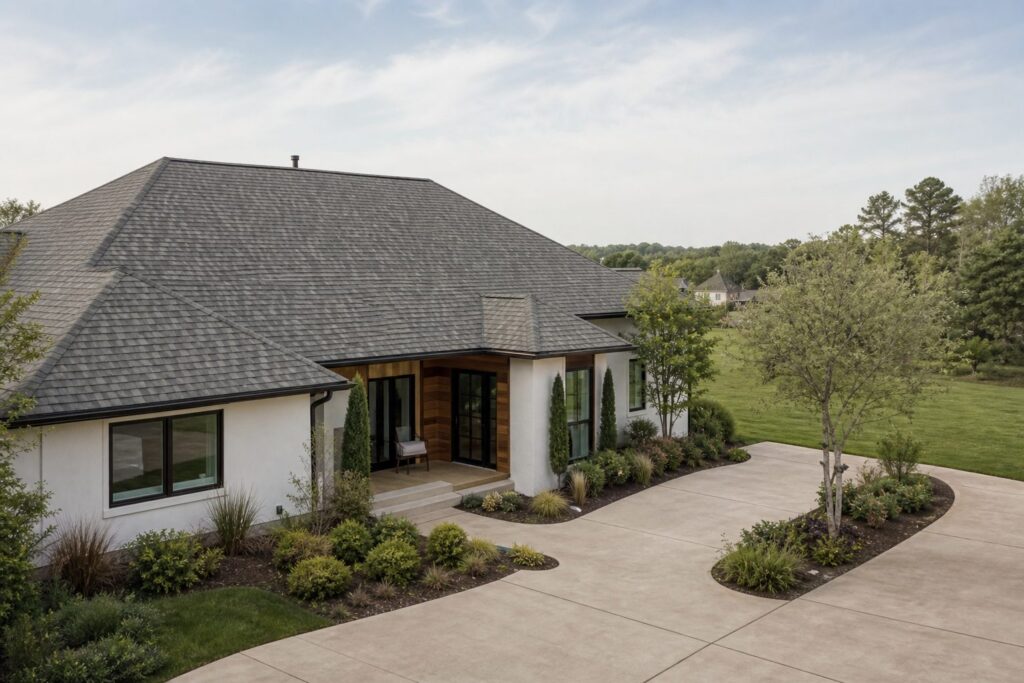
Roof Repair in Brandon, FL
Roof repair in Brandon, FL requires attention to detail and proper materials to protect your home.
This service addresses issues like leaks, damaged shingles, and flashing problems to restore your roof’s integrity.
Materials and Techniques Used
Roof repair involves selecting appropriate materials for your roof type, including asphalt shingles, metal, and tiles.
Techniques focus on removing damaged sections, replacing shingles or panels, and restoring the waterproof barrier.
Proper sealing around vents and flashing is essential to prevent future leaks and water damage.
Scope and Common Repairs
Repair work covers fixing leaks, replacing broken or missing shingles, and resetting damaged flashing.
Many repairs also involve addressing underlying issues like rust or rot before restoring the roof surface.
The scope varies depending on roof style and extent of visible damage, ensuring thorough correction of problem areas.
Scheduling and Job Duration
Scheduling depends on the size of your repair and current workload, with attention to matching work to your availability.
How quickly we reply to inquiries varies, but you will receive timely communication to plan your service.
Job duration depends on the repair complexity and roof size, ranging from a few hours to several days for larger jobs.
Proof from Customer Feedback
Recent customers have praised clear communication and thorough cleanup following roof repairs.
Reviews mention helpful documentation during the process and satisfaction with the quality of work.
These accounts reflect the company’s focus on practical service and attention to detail during repairs.
Signs of Roof Damage
These common signs indicate when roof repair is likely needed to avoid further damage.
- Shingle loss. Missing or cracked shingles expose the roof to water infiltration and damage.
- Water stains. Stains on ceiling or walls suggest leaks originating from roof problems.
- Flashing damage. Bent or separated flashing around chimneys and vents allows water to enter.
- Loose granules. Granules collecting in gutters indicate asphalt shingles breaking down.
- Sagging roof. Areas of sag may signal structural damage or weakened support beneath roofing.
- Mold or mildew. Growth in attic or roof space signals trapped moisture caused by leaks.
Frequent Roof Damage Causes
These factors often result in conditions requiring roof repair.
- Storm impact. Hail, wind, and debris can loosen shingles and damage flashing components.
- Aging materials. Roof materials degrade with age, losing protective features and becoming brittle.
- Improper installation. Incorrectly installed shingles or flashing leave gaps vulnerable to water ingress.
- Clogged gutters. Blocked gutters cause water to back up and damage roof edges and soffits.
- Lack of maintenance. Failure to clean debris or inspect the roof leads to unnoticed small problems growing.
- Ventilation issues. Poor attic airflow causes moisture buildup that weakens roofing materials over time.
Roof Repair Steps
Step one: Inspect all roof sections relevant to the reported and visible damage.
Step two: Remove damaged shingles, tiles, or flashing carefully without harming surrounding areas.
Step three: Prepare the repair area by cleaning and applying protective underlayment.
Step four: Install replacement materials matched to the existing roof style and type.
Step five: Seal edges, vent pipes, and flashing to restore the water-resistant barrier.
Step six: Conduct a final walk-through to confirm repairs and clean the work area.
Common Roof Repair Mistakes
Avoid these practices that often worsen roof damage before professional attention.
- Ignoring small leaks. Delaying repair of minor leaks can lead to larger water damage and costly fixes.
- DIY flashing repair. Poor flashing repairs often fail quickly and cause additional leak problems.
- Using wrong materials. Applying incorrect shingles or sealants reduces roof durability and performance.
- Skipping inspection. Failing to assess roof condition thoroughly can miss hidden damage areas.
- Walking on weak spots. Stepping on compromised areas risks injury and worsens structural issues.
Tips to Maintain Your Roof
Maintain your roof after repairs with regular habits that extend its service life.
- Clear debris. Remove leaves and branches from roof and gutters to prevent water buildup.
- Check flashing. Inspect flashing areas yearly for looseness or damage needing attention.
- Trim overhanging branches. Keep nearby tree limbs trimmed to reduce damage risks from fallen debris.
- Monitor attic moisture. Ensure proper ventilation to avoid condensation that harms roof decking.
- Schedule routine checks. Regular roof inspections catch small problems before they grow into major repairs.
Common questions
Look for missing shingles, water stains, or damaged flashing. These signs often indicate repair is necessary.
The technician inspects damage, removes faulty materials, replaces them, and seals the area.
Delaying repairs often worsens damage. Addressing leaks early helps avoid larger problems.
Yes, cleaning debris and nails from your property is part of the standard repair process.
While timing depends on demand, you will receive clear communication to arrange your repair.
Ready when you are
Schedule Your Roof Service
Contact us for a clear assessment and straightforward plan to repair or replace your roof exactly as needed.