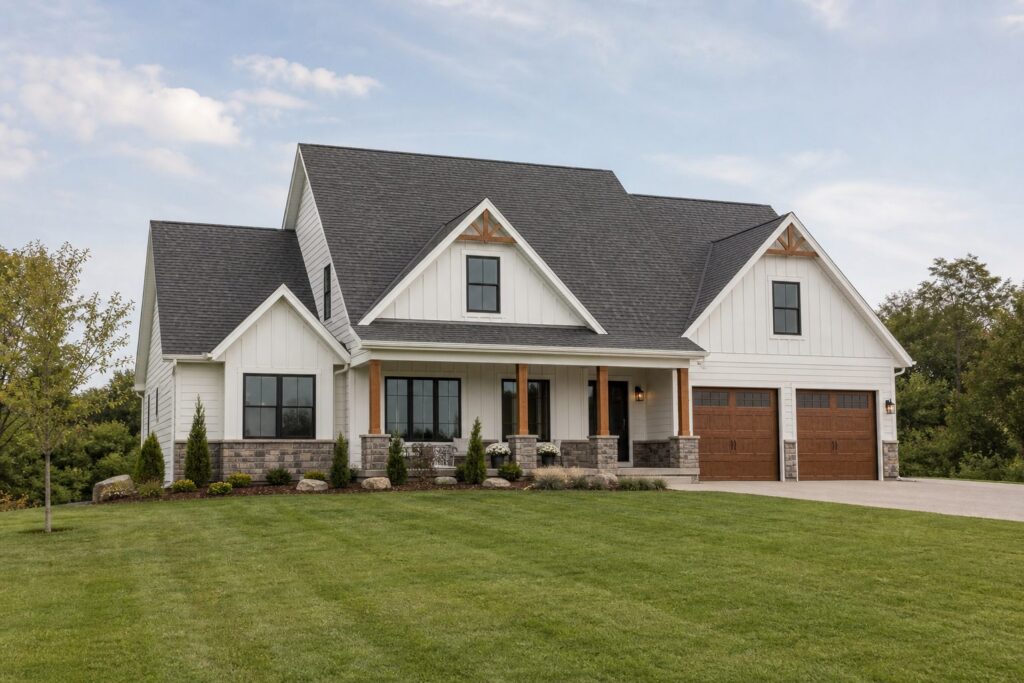
Roof Replacement in Brandon, FL
ABC Roofing provides roof replacement services tailored for Brandon homeowners and nearby areas. We focus on helping you understand when full roof replacement is necessary and the material options available.
Our straightforward approach delivers clear communication and professional workmanship for every replacement project in your neighborhood.
What Roof Replacement Includes
Roof replacement involves removing the existing roofing materials and installing new layers. This work includes stripping old shingles, preparing the roof deck, and installing underlayment before placing the new roofing material.
Unlike repairs, replacement addresses widespread or severe damage that affects the roof’s overall function. You should expect debris removal and cleanup after the work is done. Replacement can use different materials such as asphalt shingles, metal panels, or tile depending on your choice.
Roof replacement may also involve repair or replacement of flashing, vents, and gutters to ensure the new roof system performs correctly. This work requires skilled crews familiar with various roofing materials and installation techniques suitable for residential properties in this region.
Factors Affecting Replacement Cost
Several elements generally influence the cost of roof replacement. One main factor is the size and pitch of your roof; larger or steeper roofs require more materials and labor.
The choice of roofing material affects cost as well, since options like metal or tile often cost more than asphalt shingles. Another important factor is the existing roof’s condition; extensive damage or structural issues discovered during removal may lead to additional work.
Additional considerations include the complexity of the roof design and local disposal requirements for old materials. These factors combine to determine pricing, which usually varies from one property to another.
Scheduling and Project Length
Scheduling roof replacement depends on the job’s scope and availability. You will usually receive a response after contacting the business to arrange an inspection or estimate.
Once scheduled, actual replacement duration depends on factors like roof size, material, and weather conditions. The work often takes several days rather than just one due to preparation and cleanup requirements.
Scheduling also considers material delivery and crew availability. Overall, the timeline balances thorough removal, installation quality, and property cleanup to complete the replacement safely and effectively.
Customer Feedback Examples
Dana M. said, "They replaced our whole roof in two days, cleaned up every nail, and walked us through the insurance paperwork. Could not ask for more."
These remarks highlight attention to detail, efficient work, and clear explanations customers appreciate about the services offered.
Signs a Full Replacement Is Needed
These signs together usually indicate when roof replacement rather than repair is the appropriate choice.
- Widespread shingle damage. Many shingles are cracked, curled, or missing, indicating broad wear beyond spot repair.
- Roof sagging. Visible sagging suggests structural issues affecting the roof’s integrity and safety.
- Multiple leaks. Leaks appearing in several areas often mean the underlayment or deck is compromised.
- Excess granule loss. Shingles shedding many granules leave the surface exposed to damage and decay.
- Age beyond replacement threshold. A roof nearing the end of its material lifespan usually requires full replacement.
- Rotten or damaged decking. Soft or rotted wooden decking needs removal and replacement with the roof.
Typical Reasons for Replacement
These causes describe situations that often lead homeowners to choose full roof replacement.
- Storm damage. Severe storms can cause extensive hail, wind, or water damage requiring replacement.
- Wear from age. Normal aging weakens materials until repair is no longer practical or safe.
- Improper past repairs. Previous poor repairs sometimes worsen damage, necessitating full roof removal.
- Structural issues. Foundation or framing problems can affect the roof’s stability over time.
- Material failure. Some roofing materials fail early due to environment or workmanship conditions.
How Roof Replacement Works
Step one: We inspect the roof to evaluate condition and determine replacement needs.
Step two: The existing roofing materials are removed carefully and disposed of properly.
Step three: Damaged decking or structural elements are repaired or replaced as needed.
Step four: New underlayment and flashing are installed to prepare the roof surface.
Step five: The chosen roofing material is installed to manufacturer and industry standards.
Step six: The area is cleaned and inspected to ensure the roof is ready for use.
Step seven: We review the work with you and explain the features and care for your new roof.
Common Homeowner Mistakes
Avoid these issues that can worsen roof problems or complicate replacement projects.
- Delaying assessment. Waiting too long to check a damaged roof may allow small issues to become extensive.
- DIY major repairs. Attempting full roof replacement or major fixes without professional help can cause harm.
- Ignoring hidden damage. Failing to look under shingles hides rot or decking decay that replacement must address.
- Using inferior materials. Selecting poor-quality roofing materials reduces the lifespan and effectiveness of the roof.
- Skipping cleanup. Not removing nails and debris after replacement may pose safety risks around your home.
Maintaining Your New Roof
Follow these steps to keep your roof in good condition and avoid early replacement needs.
- Regular inspections. Have a professional check your roof periodically for signs of wear or damage.
- Clean gutters. Keep gutters clear of debris to prevent water backup that can damage roof edges.
- Trim nearby trees. Cut branches back to avoid damage from rubbing limbs or falling debris on the roof.
- Remove debris. Clear leaves, sticks, and dirt from the roof surface to reduce moisture buildup.
- Address leaks quickly. Report and repair leaks promptly to prevent structural damage to roofing materials.
Common questions
Consider replacement when damage is widespread, the roof is aging, or structural issues exist beyond spot repairs.
Common choices include asphalt shingles, metal panels, and tile roofing, each with different durability and appearance.
The process involves noise and workers on site for several days, with cleanup completed afterward to minimize disruption.
A thorough roof inspection is performed first to assess damage and determine whether replacement is necessary.
Scheduling, material selection, removal of old roofing, deck repair, new installation, and final cleanup complete the project.
Ready when you are
Schedule Your Roof Service
Contact us for a clear assessment and straightforward plan to repair or replace your roof exactly as needed.