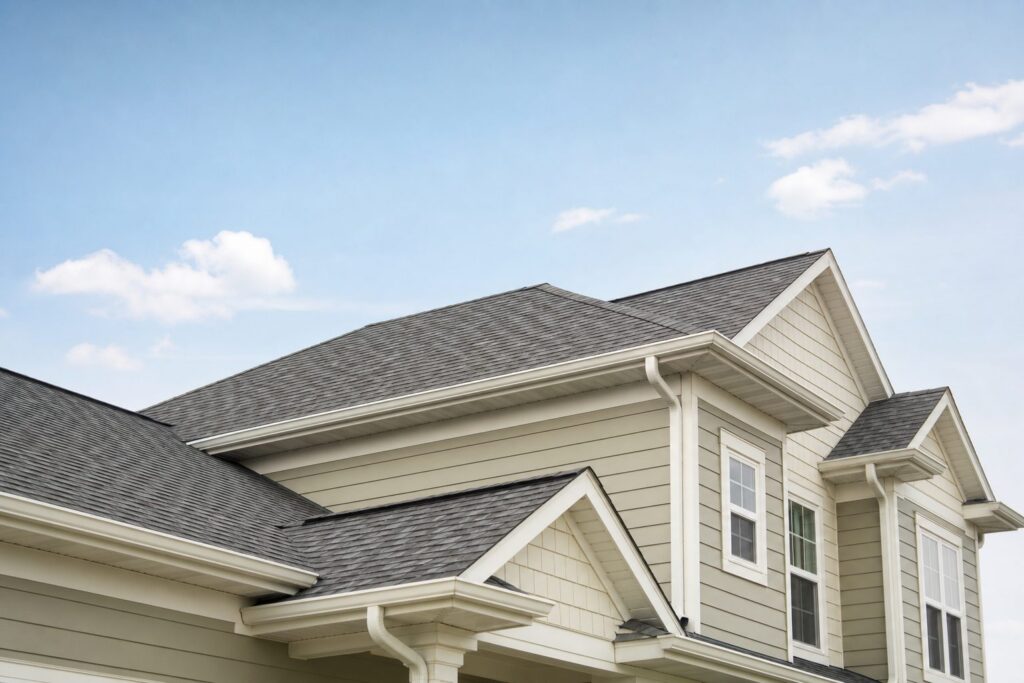
Storm Damage Repair in Brandon, FL
ABC Roofing provides storm damage repair services for residential and small business roofs in Brandon, FL. We address damage caused by storms using shingle, metal, and tile roofing materials.
Our approach focuses on clear explanations and transparent estimates so you understand the condition of your roof before any work begins.
Identifying Storm Damage
Storm damage repair involves evaluating the full extent of harm to your roof caused by wind, hail, or debris. The work includes replacing or fixing damaged shingles, metal panels, or tiles to restore your roof's protection and appearance. Technicians check for punctures, missing materials, lifted shingles, and other signs of damage. They also assess secondary issues such as loosened flashing or compromised gutters that may have resulted. The goal is to ensure the roof is watertight and structurally sound again. This work differs from standard repairs by focusing specifically on damage from storms and natural events, requiring careful inspection to uncover hidden problems or weakened areas. Materials are matched and installed to maintain roof integrity and curb appeal.
Factors Affecting Repair Cost
The cost of storm damage repair depends on several factors related to your roof and the damage condition. The size and pitch of the roof influence labor and material needs. The type of roofing, such as shingles, metal, or tile, affects material costs and installation methods. Damage severity also plays a role; more extensive harm requires more replacement materials and time. Additional repairs to flashing, gutters, or underlying structures increase overall cost. Access to the roof and local regulations may also impact pricing. Clear communication about these variables helps you anticipate what influences any estimate.
Scheduling and Job Length
Scheduling for storm damage repair depends on the size and complexity of the needed work. Service providers often schedule visits based on the scope of repairs and current workload. The visit includes a detailed inspection before any repair begins. Jobs range in duration depending on damage extent and materials used. Simple repairs may take only part of a day, while more extensive damage can require multiple days to complete. Clear communication about scheduling ensures you know when a technician will visit and how long the work will take.
Customer Experiences
Customers praise timely repairs, clear communication, and thorough documentation of work. One said, "Fast repair after the storm, fair price, and they sent photos of the fix. We will use them again." Another noted, "They replaced our whole roof in two days, cleaned up every nail, and walked us through the insurance paperwork. Could not ask for more." These remarks show attention to detail, straightforward explanations, and reliable craftsmanship.
Damage Signs to Notice
These signs typically indicate storm-related damage that needs professional evaluation.
- Missing shingles. Noticeable gaps or bare spots where shingles blew away during the storm.
- Loose or lifted shingles. Shingles that appear raised or not firmly attached after high winds.
- Visible dents. Punctures or dents in metal roofing or tiles caused by hail or debris.
- Damaged flashing. Flashing bent, cracked, or displaced around chimneys or vents.
- Granule loss. Excessive granule buildup in gutters or at downspouts from shingle wear.
- Water stains. Discoloration on ceilings or attic walls indicating possible leaks.
Common Damage Reasons
Storm-related roof damage often results from several forces acting on roofing components.
- High winds. Strong gusts can lift or remove shingles and loosen fasteners.
- Hail impact. Hailstones strike roof surfaces, causing cracks, dents, or punctures.
- Flying debris. Tree branches and other objects can scrape or break roofing materials.
- Heavy rain. Prolonged rain may reveal or worsen roof leaks if damage exists.
- Clogged gutters. Blocked gutters increase runoff and may cause water damage to roof edges.
Inspection and Repair Steps
Step one: Assess the roof damage thoroughly from ground and rooftop views.
Step two: Identify all affected areas, including hidden damage under roofing layers.
Step three: Explain findings and options clearly before beginning any repairs.
Step four: Remove damaged materials carefully preparing the roof for repairs.
Step five: Install new shingles, metal, or tiles matching existing roofing material.
Step six: Secure flashing, gutters, and other components to prevent future leaks.
Step seven: Clean the site and inspect completed repairs with the homeowner.
Avoiding Common Errors
Homeowners often make choices that worsen storm damage before experts assess the roof.
- DIY patching. Temporary fixes can hide damage or cause further problems under roofing layers.
- Ignoring minor cracks. Small issues may grow into larger leaks if not evaluated and repaired promptly.
- Delaying inspection. Waiting too long allows water infiltration and structural deterioration.
- Neglecting gutters. Failure to clear gutters increases water backflow affecting roof edges.
- Using incorrect materials. Non-matching replacement pieces reduce roof durability and appearance.
Maintaining Roof Condition
Routine roof care helps prevent storm damage and extends roofing material life.
- Regular inspections. Schedule roof checks after storms to catch damage early.
- Gutter cleaning. Clear debris periodically to ensure proper water drainage.
- Trim nearby trees. Keep branches away from the roof to reduce impact damage.
- Prompt repairs. Address minor damage before it worsens or causes leaks.
- Monitor attic moisture. Check for signs of water intrusion inside the home regularly.
Common questions
Look for missing shingles, dents in metal, lifted roofing pieces, or water stains inside.
The inspector checks all visible roof parts and looks for hidden issues under roofing layers.
Scheduling depends on damage size and repair complexity, arranged after assessment.
Many storm damages are repairable depending on their size and material condition.
Do not apply patching materials or delay inspection, as these may hide or worsen issues.
Ready when you are
Schedule Your Roof Service
Contact us for a clear assessment and straightforward plan to repair or replace your roof exactly as needed.